
Advanced Evaluation of Pulmonary Hypertension, Complex Blood Pressure Disorders, and Haemodynamic Disease
Understanding Pulmonary and Resistant Hypertension
Blood pressure disorders are not uniform conditions with a single cause or a single treatment pathway. Their correct management depends entirely on accurate classification of the underlying haemodynamic mechanism, and this cannot be achieved from a blood pressure reading or a standard echocardiogram alone.
Pulmonary hypertension refers to elevated pressure within the pulmonary arteries, the vessels that carry blood from the right side of the heart to the lungs. Elevated pulmonary pressures impose a progressive overload on the right ventricle, leading over time to right heart failure. The condition presents insidiously with progressive breathlessness, reduced exercise capacity, fatigue, and, in advanced cases, peripheral oedema and syncope. The underlying cause may be intrinsic pulmonary arterial disease, left heart disease, chronic lung disease, chronic thromboembolic disease, or a combination of mechanisms. Each requires a different treatment strategy, and the distinction between them cannot be made without invasive haemodynamic measurement.
Resistant systemic hypertension refers to blood pressure that remains elevated despite three or more antihypertensive medications at optimal doses. In these patients, the persistence of hypertension reflects a specific underlying mechanism that standard medication is not addressing. Effective management requires identification and targeted treatment of that underlying cause.
Other Services
Conditions Treated
Pulmonary Arterial Hypertension (PAH)
Primary disease of the small pulmonary arteries causing progressive elevation of pulmonary vascular resistance and right ventricular failure. Requires haemodynamic confirmation by right heart catheterisation and is managed with targeted pulmonary vasodilator therapy.
Chronic Thromboembolic Pulmonary Hypertension (CTEPH)
Persistent elevation of pulmonary artery pressure following pulmonary embolism, caused by incomplete resolution of embolic material. A potentially surgically or catheter-based treatable condition that requires pulmonary angiography and right heart catheterisation to confirm.
Renal Artery Stenosis Causing Renovascular Hypertension
Significant narrowing of one or both renal arteries reducing kidney perfusion pressure and driving hypertension that is difficult to control with medication. Identified by renal angiography and treatable with catheter-based stenting where haemodynamic significance is confirmed.
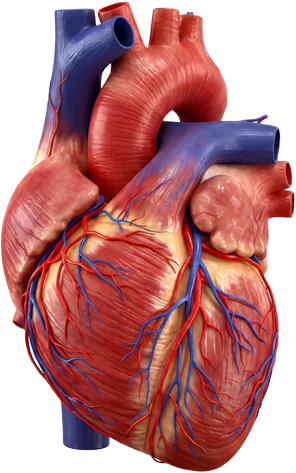
Right Heart Failure Due to Chronic Pressure Overload
Progressive right ventricular dysfunction arising from sustained elevation of pulmonary artery pressure, requiring haemodynamic assessment to guide treatment and assess prognosis.
Pulmonary Hypertension Due to Left Heart Disease
The most common cause of elevated pulmonary pressures. Elevated left atrial pressure from diastolic dysfunction, mitral valve disease, or heart failure is transmitted back to the pulmonary circulation. The distinction from other causes requires precise pressure measurement at right heart catheterisation.
Resistant Systemic Hypertension
Blood pressure persistently above target despite optimal medical therapy. Secondary causes must be systematically excluded before advanced therapies such as renal denervation are considered.
Unexplained Breathlessness with Suspected Pulmonary Vascular Disease
Patients with progressive breathlessness in whom standard investigations have not identified a clear cause. Invasive assessment, including exercise of right heart catheterisation is the most sensitive investigation in this context.
Advanced Diagnostic Assessment
Right Heart Catheterisation
The gold standard investigation for pulmonary hypertension and complex haemodynamic disease. Performed under local anaesthesia via venous access, it provides direct measurement of pressures throughout the right heart and pulmonary circulation, cardiac output, and pulmonary vascular resistance. These measurements are essential to classify pulmonary hypertension by cause, confirm haemodynamic severity, and guide treatment selection. Over 200 right heart catheterisations have been performed at Level 3 independent competence.
Vasoreactivity Testing
Performed during right heart catheterisation in patients with suspected pulmonary arterial hypertension. Short-acting pulmonary vasodilators are administered, and the response of the pulmonary vasculature is measured. A significant response identifies patients who may benefit from calcium channel blocker therapy and carries important prognostic implications.
Pulmonary Angiography
Imaging of the pulmonary arterial tree performed in the catheterisation laboratory, indicated when chronic thromboembolic pulmonary hypertension is suspected. Contrast is injected directly into the pulmonary arteries to define the distribution and nature of embolic obstruction.
Renal Angiography
Catheter-based imaging of the renal arteries to identify haemodynamically significant renal artery stenosis as a cause of resistant or renovascular hypertension, with stenting of confirmed significant lesions where benefit is anticipated.
Coronary Angiography
Frequently performed alongside right heart catheterisation and structural evaluation to exclude significant coronary artery disease in patients presenting with breathlessness or suspected haemodynamic cardiac disease.
Cardiac Device and Rhythm Procedures
Right Heart Catheterisation
Performed routinely as part of diagnostic evaluation for all patients with suspected pulmonary hypertension, unexplained haemodynamic abnormality, or complex valve disease.
Pulmonary Angiography
Performed in the same catheterisation session as right heart catheterisation when chronic thromboembolic pulmonary hypertension or other structural pulmonary vascular disease is suspected.
Renal Artery Angiography and Stenting
Catheter-based assessment and treatment of renal artery stenosis via arterial access, with stent deployment where haemodynamically significant stenosis is confirmed.
Renal Denervation
A catheter-based treatment for resistant hypertension after optimal medical therapy and exclusion of secondary causes. Radiofrequency or ultrasound energy disrupts renal sympathetic nerves to lower blood pressure. Supported by SPYRAL HTN-ON MED and RADIANCE II trials, with dedicated training and research experience in mineralocorticoid receptor antagonism.
Combined Cardiopulmonary Haemodynamic Assessment
Integrated evaluation of both the systemic and pulmonary circulations within a single catheterisation laboratory session, providing a comprehensive haemodynamic profile in patients with complex multi-system circulatory disease.
International Expertise. Precision Cardiovascular Care.
200+ Right Heart Catheterisations
Pulmonary Hypertension Assessment
Resistant Hypertension Evaluation
Renal Denervation Training